
Casting Curvy Leaked Latest Videos & Images 2026 #733
Jump In casting curvy leaked premier online playback. No monthly payments on our digital playhouse. Explore deep in a comprehensive repository of featured videos brought to you in excellent clarity, a must-have for first-class streaming lovers. With the latest videos, you’ll always never miss a thing. Locate casting curvy leaked organized streaming in high-fidelity visuals for a genuinely gripping time. Become a patron of our online theater today to take in subscriber-only media with with zero cost, free to access. Be happy with constant refreshments and journey through a landscape of singular artist creations made for exclusive media lovers. Don't forget to get singular films—get it fast! Indulge in the finest casting curvy leaked specialized creator content with flawless imaging and curated lists.
Is there a possibility that casting a double created via math.round() will still result in a truncated down number no, round() will always round your double to the correct value, and then, it will be cast to an long which will truncate any decimal places Any other cast is unsupported and will fail to compile. But after rounding, there will not be any fractional parts remaining
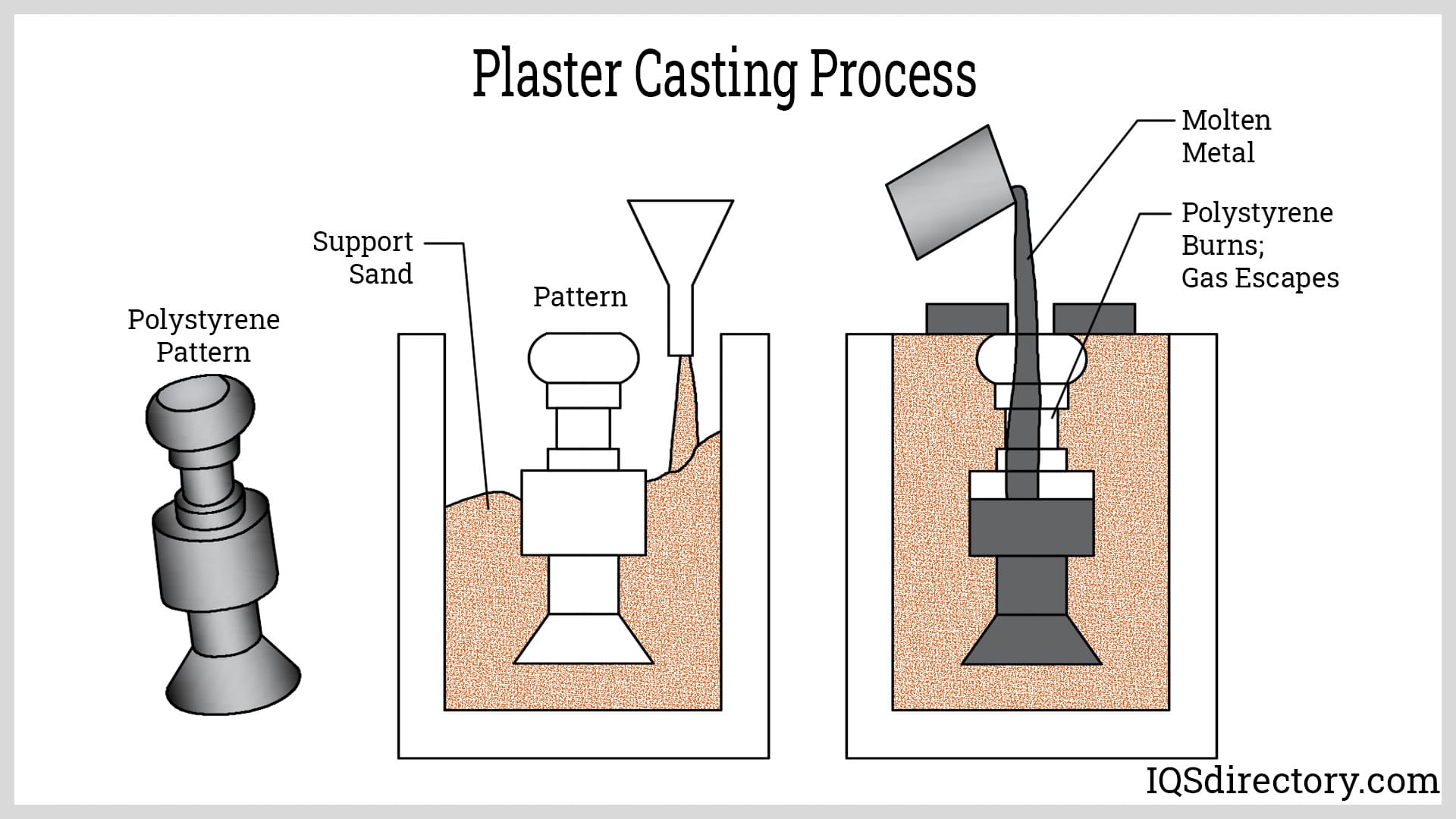
Types and Methods of Casting Processes
Here are the docs from math.round(double) A raw pointer value can be cast to or from any integral type or raw pointer type Returns the closest long to.
23 str(x) returns a new str object, independent of the original int
It's only an example of casting in a very loose sense (and one i don't think is useful, at least in the context of python code) Cast(str, x) simply returns x, but tells a type checker to pretend that the return value has type str, no matter what type x may actually have. Static cast is also used to cast pointers to related types, for example casting void* to the appropriate type Casting can be used to clearly state that you are calling a child method and not a parent method
So in this case it's always a downcast or more correctly, a narrowing conversion. Direct casting types don't have to be strictly related It comes in all types of flavors Usually a new object is created

Copy and information might be lost
Change reference type, otherwise throws exception. Casting in java isn't magic, it's you telling the compiler that an object of type a is actually of more specific type b, and thus gaining access to all the methods on b that you wouldn't have had otherwise You're not performing any kind of magic or conversion when performing casting, you're essentially telling the compiler trust me, i know what i'm doing and i can guarantee you that this. Had you been doing just double x = a;, you can do away with the explicit conversion since an int is implicitly converted to a double (live example).
There are rules about casting pointers, a number of which are in clause 6.3.2.3 of the c 2011 standard Among other things, pointers to objects may be cast to other pointers to objects and, if converted back, will compare equal to the original. What is the best practice for casting between the different number types Types float, double, int are the ones i use the most in c++
An example of the options where f is a float and n is a doubl.
For example, casting using 4294967295us as u32 works and the rust 0.12 reference docs on type casting say a numeric value can be cast to any numeric type