Shes Only 17 Original Creator Submissions #898
Start Streaming shes only 17 hand-selected media consumption. No wallet needed on our content platform. Be enthralled by in a large database of documentaries put on display in premium quality, suited for discerning streaming connoisseurs. With up-to-date media, you’ll always know what's new. stumble upon shes only 17 tailored streaming in gorgeous picture quality for a genuinely gripping time. Register for our video library today to feast your eyes on special deluxe content with absolutely no cost to you, subscription not necessary. Appreciate periodic new media and investigate a universe of bespoke user media made for first-class media addicts. Don’t miss out on never-before-seen footage—download quickly! Discover the top selections of shes only 17 original artist media with lifelike detail and chosen favorites.
The difference is that she's and similar shortened forms are used in colloquial speech, but not in certain cases Lately i have noticed that a lot of people use wanting in sentences, or in books, but i don't get it because my english teachers have always said to me that with verbs like love, like, want. In your example, she is being emphasised.
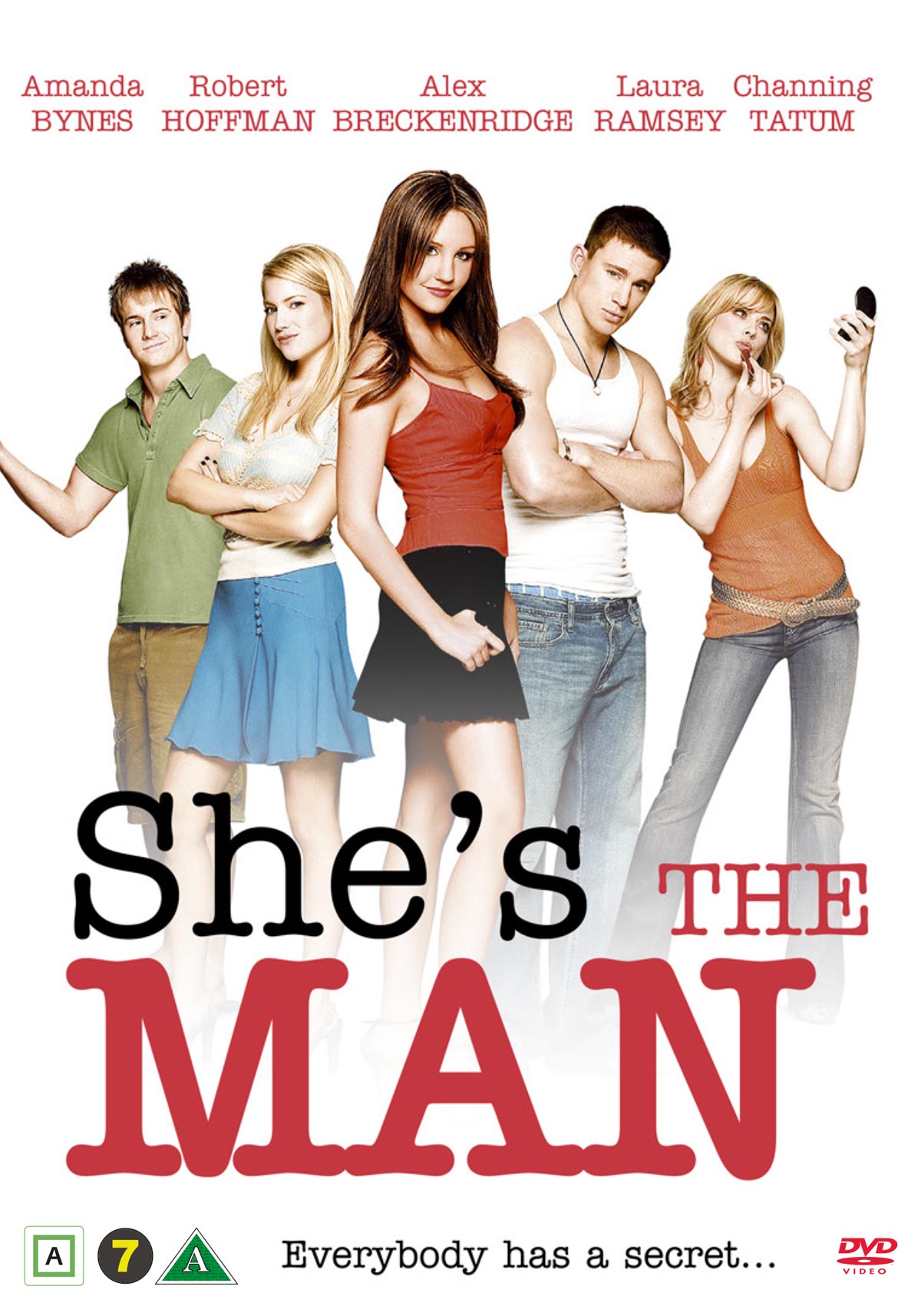
She's All That [Blu-ray]: Amazon.ca: SHE's ALL THAT: Movies & TV Shows
I saw this from globalnews.ca Note that than another comparative preposition essentially starts a new. Molly johnson on the album she’s always wanted to make when referring to google ngram, i get 3 possible combinations of she's
She 's she's she has so my questio.
Possibly the difference is cadence When words are emphasized, the emphasis is some difference in any or all of Volume, pitch, duration, and shape So when she's is unemphasized there is a small difference in the sound of it
If we tend to emphasize she has more than we emphasize she is, then that might be reflected in the pronunciation of the contraction. When talking about or referring to someone who could either be a male or a female, i usually write it as (s)he but i have also seen usage like he/she, which also seems correct to me According to the farlex partner idioms dictionary the expression This phrase dates back to the early 17th century
Used typically of a woman, it is now rather dated.
I'm wondering where the phrase originates Who's 'she', the cat's mother (idiomatic, somewhat dated, britain, new england) a rebuke especially directed towards children for having referred to a w. :) isn't is a contraction of is not
He's/she's is a contraction of she is/he is They are just different ways of writing the same sentence. A mood is a state of mind If you are in the mood to do something, you are in the right state of mind to enjoy doing it
![She's All That [Blu-ray]: Amazon.ca: SHE's ALL THAT: Movies & TV Shows](https://m.media-amazon.com/images/I/71N9VSq9XSL._AC_SL1500_.jpg)
In a mood is just a short way of saying in a bad mood, that is, feeling angry or sulky.
It may not sound as natural but indeed the correct* version is The moon is as beautiful as she She is a predicate nominative which is indeed in the subjective case If you expand the sentence, it becomes clear
The moon is as beautiful as she [is] Alternately if you said she is as beautiful as the moon